


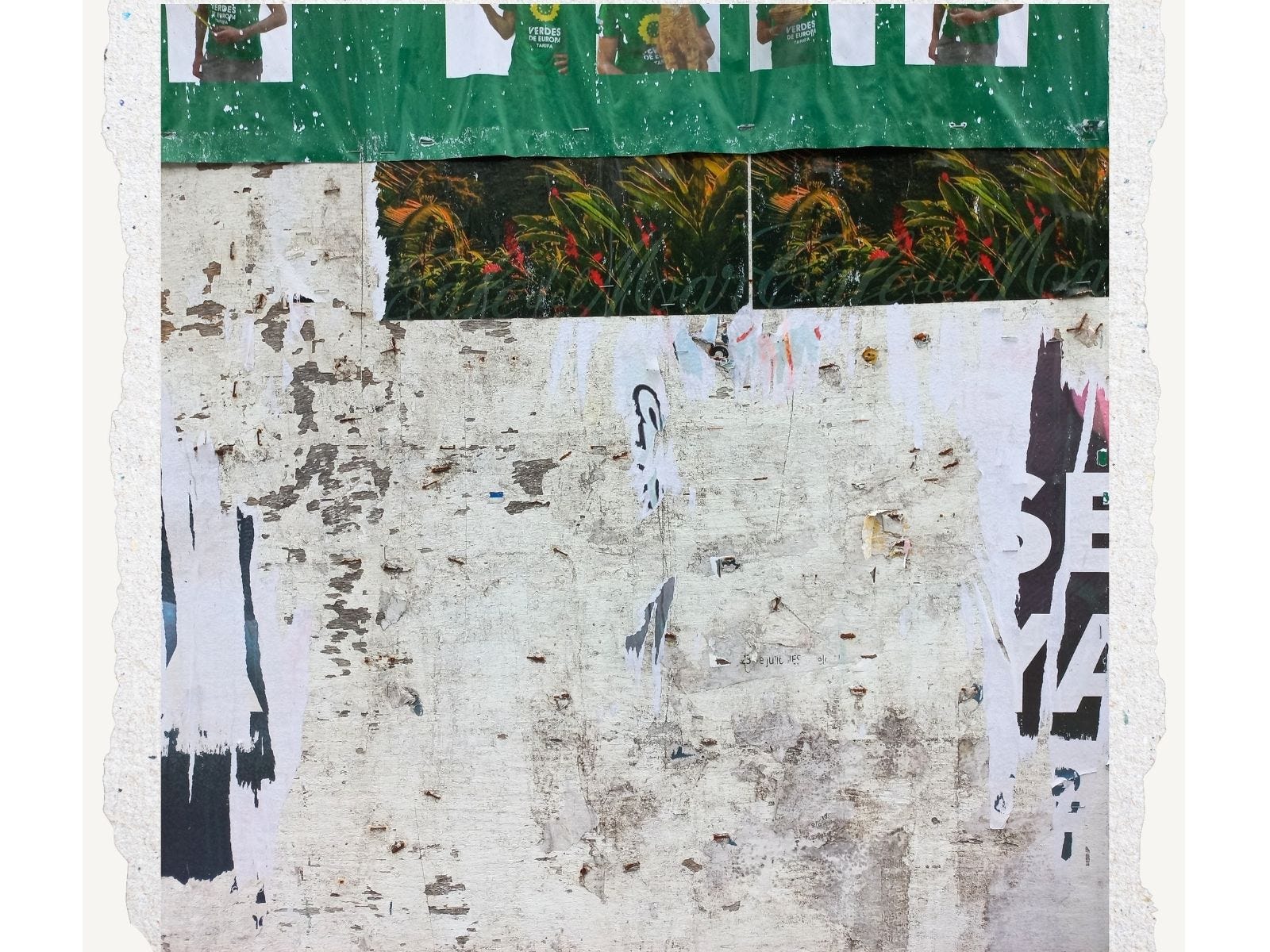
Untitled, studio photograph.
© Jane McAulay
© Jane McAulay
When no one asks
This comes up often in conversations between artists — that feeling that family or friends never ask about your work, or don’t seem interested in it at all.
I have family and friends who love me but rarely mention my art. And I have art friends where that’s the main bond. The ones who don’t mention it — so what? We can share a dinner, have a conversation, joke about things. Do they care about me? Yes.
And if I’m honest, I don’t take a deep interest in everything my friends do either. I might ask a fisherman how he stays warm, or an accountant if AI has affected their workflow — but often I don’t. It doesn’t mean I don’t value them. Not everyone needs to be interested in the same things.
Where it starts to interfere
The issue isn’t really family or friends. It’s when that lack of interest starts to affect how you see your own work. This isn’t like sport — there aren’t winners and losers in that sense. Comparing yourself to other artists, especially those at a different stage or level of experience, serves no real purpose if you’re trying to develop your own work.
“More” not “better”
I tend to think in terms of becoming more, rather than better. “Better” suggests a hierarchy. “More” suggests something else — a clearer pull towards certain materials, subjects or ways of working, even when you don’t fully understand it yet.
Family taste and direction
The same applies to family opinion. Artists who move from representational work into abstraction often hear the same thing: we preferred your old work. That’s understandable. It’s a different language, and not everyone connects with it. But if your family doesn’t like abstract work, that has nothing to do with you.
I’ve seen this repeatedly — and experienced it myself. People who knew my work years ago still say, “you used to make such beautiful pastel drawings.” And I did. I became very competent with pastel and drawing. But I stopped enjoying that work. I wanted something else.
When something shifts
If you start working more loosely, more expressively, or begin using materials that don’t immediately read as “art,” that’s not a loss of direction. It’s often the point where something starts to push beyond your comfort zone, even if you don’t yet understand why. It’s worth paying attention when that happens — especially if you’re finding some enjoyment in it.
A piece that feels alive to you can look unresolved or even wrong to someone expecting something recognisable.
Repeating what works
You see the opposite as well. Some artists find a way of working that gets a strong response and stay with it. It works — for a while. But if it’s pushed too far or repeated without real interest, it starts to flatten.
What actually matters
If you want to develop a personal visual language, you have to pay attention to what you’re drawn to — process, materials, subject matter, the things that keep returning. You can’t do that if you’re constantly adjusting to what other people respond to.
Family, friends, other artists — none of them can be the measure. You can’t serve all of that at once. You can listen — but you can’t build your work on other people’s taste.